

Resources for healing, growth, and restoration.
Healing doesn’t happen overnight, and you don’t have to walk through it alone. We’ve gathered trusted books, podcasts, tools, and resources that have helped both us and many others navigate recovery, betrayal trauma, emotional healing, and restored intimacy.

The Bible
Make Scripture a high priority! Spend time reading the Bible every day, even if just a few minutes. We have found it helpful to make a list of the verses that speak to us and remind us of how much God loves us. Read the list each day.
We have used the New Living Translation in this material, unless otherwise noted.
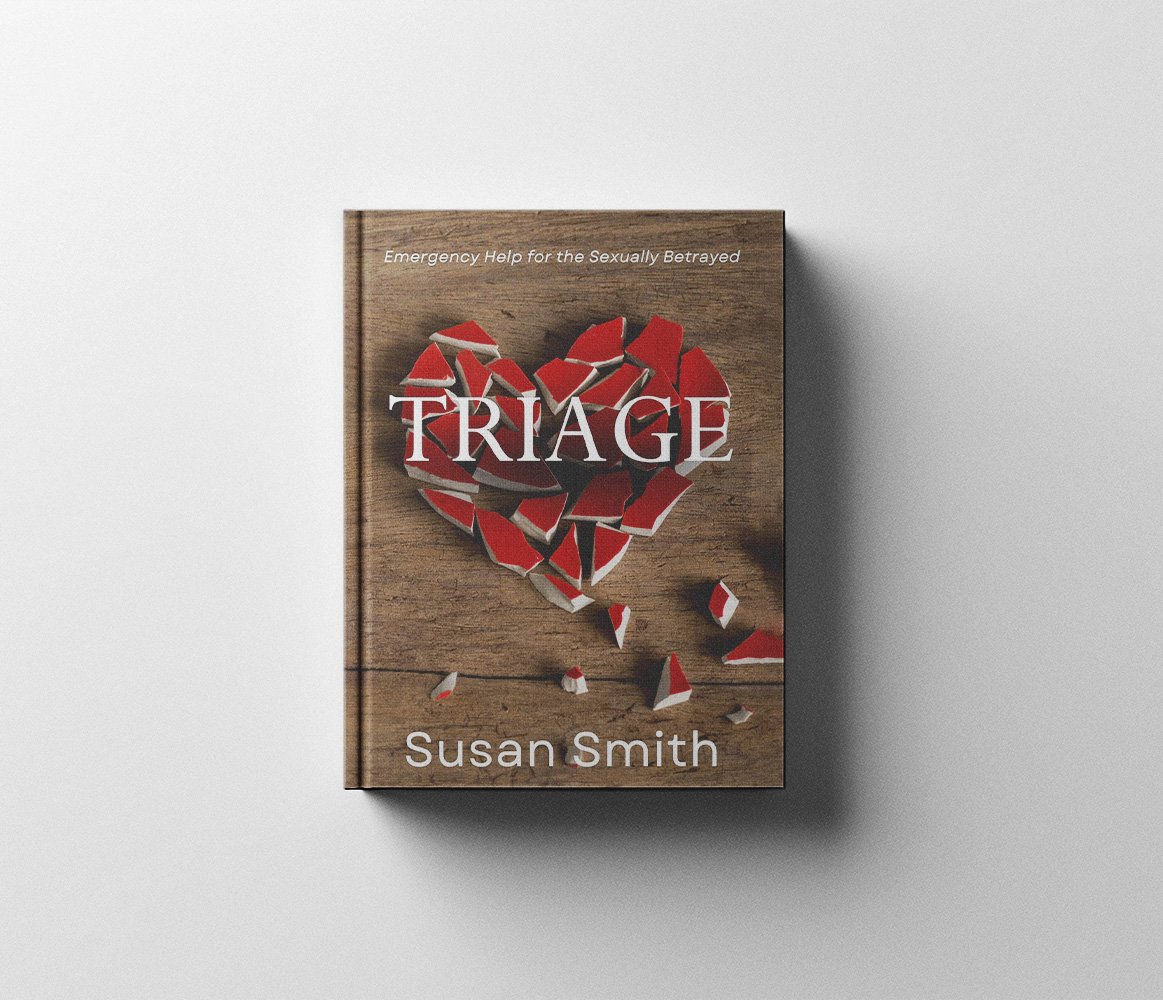
Find immediate help and hope.
Susan’s book, Triage: Emergency Help for the Sexually Betrayed, was written to help women navigate the overwhelming emotions and confusion that often follow the discovery of sexual addiction or betrayal.
This practical, faith-centered resource offers encouragement, guidance, and next steps for healing during one of the most painful seasons of life.
Watch & Learn
Explore interviews and conversations designed to encourage healing, provide insight, and remind you that you are not alone.

Interview for Couples

Susan’s Interview for Wives
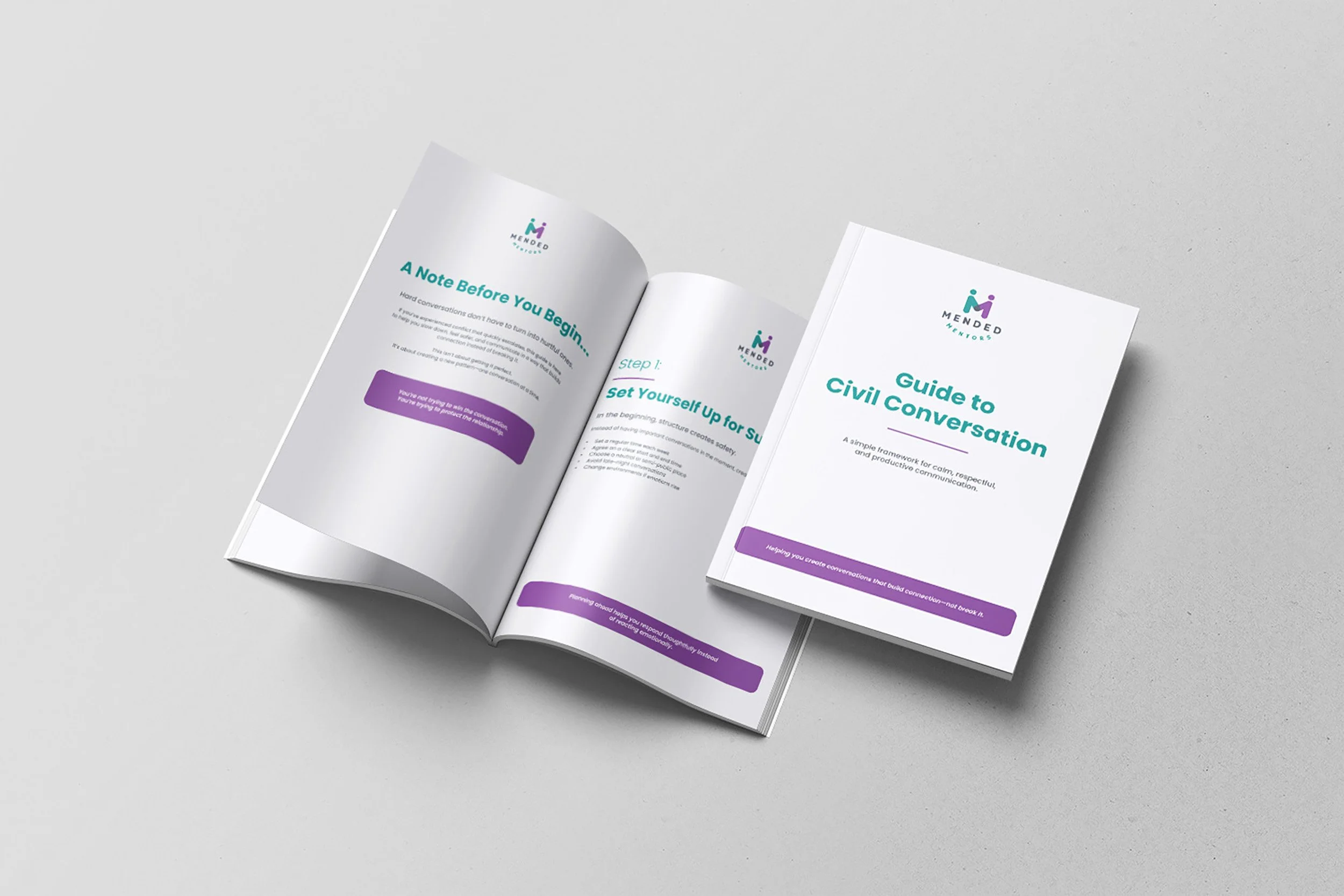
Free Resource
Having Difficult Conversations with Respect & Grace
A practical guide to navigating hard conversations with calm, clarity, and emotional safety during difficult seasons.
Recommended Books
Resources for healing from betrayal trauma, rebuilding identity, and finding hope.
-
Understanding Addiction:
The Freedom Fight, Ted Shimer
Your Sexually Addicted Spouse: How Partners Can Cope & Heal, Steffens & Means, AND/OR
Intimate Deception, Dr Sheri Keffer (these both cover similar material)
Intimacy Anorexia, Doug Weiss
Shattered Vows, Debra Laaser
Materials by Doug Weiss
For Personal Healing/Growth:
Becoming Myself, Staci Eldredge
Partner Betrayal Trauma, Doug Weiss
Boundaries, Doug Weiss (Currently only on DVD. We have a typed summary of this you can request.)
Forgiving What You Can’t Forget, Lysa TerKeurst
Believing God, Beth Moore
When Godly People Do Ungodly Things, Beth Moore
So Long Insecurity, Beth Moore
You’ll Get Through This, Max Lucado
Materials by Leslie Vernick and Natalie Hoffman for abusive marriages
-
Understanding & Dealing with Addiction:
The Freedom Fight, Ted Shimer
Porn Free, Matt Dobsheutz
Outgrow Porn, Drew Boa
The Final Freedom, Dr Doug Weiss
Unwanted, Jay Stringer
To Kill a Lion, Bruce Lengeman (This has some potentially triggering descriptions, but excellent information.)
Surfing for God, Michael John Cusick
Healing the Wounds of Sexual Addiction, Mark Laaser
When Shame Gets Real, Carl Thomas
For His Personal Healing/Growth:
The Cure, John Lynch, Bill Thrall, Bruce McNicol
Wild at Heart, John Eldredge
Boundaries, Doug Weiss(Currently only on DVD or download)
Inside Out, Larry Crabb
Atomic Habits, James Clear
From Broken Boy to Mended Man, Patrick Morley
Abba’s Child, Brennan Manning
The Ragamuffin Gospel, Brennan Manning
Worthy of Her Trust, Arterburn & Martinkus
Spiritual Slavery to Spiritual Sonship, Jack Frost
The Grace Message, Andrew Farley
-
Intimacy Anorexia, Doug Weiss
Married and Alone, Doug Weiss
Emotional Fitness, Doug Weiss
The Emotionally Unavailable Man, Patti Henry
-
Helping Her Heal, Doug Weiss (currently only on DVD. We have a typed summary of this you can request.
Boundaries in Marriage, Henry Cloud and John Townsend
Seven Desires, Mark & Debra Laaser
Better Man Better Marriage, Jeff Borkoski (for husbands)
Intimacy: A 100 Day Guide to Lasting Relationships, Doug Weiss
The 7 Principles for Making Marriage Work, John Gottman
God, Sex and Your Marriage, Dr. Juli Slattery
-
Jesus Always, Sarah Young
Jesus Calling, Sarah Young
Restoration Year, John Eldredge
Trust for Today, John Lynch, et al.
Awaken, Priscilla Shirer
Recommended Websites, Podcasts, Apps, and Counseling
-
EverAccountable.com (filtering software)
CovenantEyes.com (website and filtering software)
-
-
Heart to Heart Counseling Center, 719-278-3708, www.drdougweiss.com

Reminder: Healing is a process, not a race.
Take one step at a time. Some days may feel overwhelming, but healing, growth, and restoration are possible with support, honesty, and God’s grace.
Frequently Asked Questions
-
To our knowledge, no man has ever died from not having a “release”, but almost every man has thought he would.
God intended and designed sex to bond and connect a married couple in a deeper way than with anyone else. And for procreation. He did NOT create it as a solo activity. It is always for a relationship! So, masturbation is by its very nature selfish. It involves fantasy, which is rarely about your wife, so that makes it a form of adultery. Even if the fantasy you use to masturbate IS about your wife, it is NOT relational, it is NOT bonding you together in love as a couple, and it objectifies your wife as a “tool” you need to get your “release”.
You do not have a “right” to a physical release by yourself. It is not a physical requirement. You will not explode.
How you make love with your spouse, as long as you both have a say and enjoy it, is your choice. However, for a recovering addict, part of your addiction is the masturbation, and many men have suffered Porn-Induced Erectile Dysfunction and can ONLY perform sexually by masturbation and images. For that reason, we ask you to refrain from all masturbation until your brain and body have healed from the addiction. You can heal over time and be able to have “normal” sex with your wife, but any masturbation happening makes the process longer for your brain to forget that neuropathway.
Jesus was single; I have a hard time imagining him doing that.
-
It is certainly possible. The end goal for an addict is to lay down all addictions and anything we allow to control us or that we look to for making us feel whole besides the Holy Spirit. The addict does need to replace the addiction with something productive, like a connection with people, but not a different addiction.
When you have laid down your “medication” for the stress and pain (the addiction), you are usually left not knowing how to handle stress or life in general. So, a new set of healthy, emotional tools needs to be added to the addict’s “tool belt” in order to successfully deal with life.
If a person substitutes another bad habit or addiction, or pattern for the porn addiction, this shows there is still deeper internal work that needs to be done.
-
As Dr. Doug Weiss says, “We believe actions, not words.” You should begin to see a difference in his behavior. Don’t believe words that aren’t backed up by his behavior.
You will begin to see a shift in his attitude. Instead of him resenting doing recovery work, going to group, having to talk about what has happened or how it has affected his wife, you will see him taking initiative, showing humility, remorse, patience, empathy, honesty despite consequences, and consistency. Blaming and defensiveness will slowly fade.
-
If it is a one-time relapse or an occasional trigger, you can do some or all of the things listed here:
Use slow/deep breathing to calm down and re-engage the logical side of your brain, rather than act out of the emotional side of your brain
Pray, read Scriptures, and listen to worship/encouraging music
Ground yourself in the here and now, focus on the facts, replace negative thoughts with Truth
Go for a walk, exercise, do yoga, etc.
Do some self-care, something that brings you a few minutes of joy or peace
Call a safe person, a group member, or your Mentor
Get extra sleep
Be gracious to yourself-don’t give yourself a “report card” that you should be healed by now, or reacting better, etc.
Implement boundaries as needed
If his relapse is repeating, over and over, you need to reevaluate your and his boundaries and consequences. Apparently, the consequences are not painful enough for him to make better choices. Maybe you have not been following through with the consequences you have stated. If he has a flippant attitude about it, you have some choices to make.
If your triggers are frequent and not tapering off, maybe even increasing, you need extra mentoring or counseling to work through some things. While we can’t really control when triggers come, they should be lessening over time if you are getting the help you need.
-
You do not have to share with anyone, but often we need support from our loved ones, IF indeed they are capable of giving it. We know others can tell something is “off” about us, so it may be better to give them some information, so they don’t imagine an even worse scenario.
If you and your spouse are working on healing and recovery together, you need to be in agreement on when and who you tell. An exception might be if the husband is selfishly protecting himself and the wife has no support; she should discreetly share with whom she needs to. Maybe a counselor/mentor is enough, but it may need to be someone else as well.
Share only the details they really need to know. Most women don’t want to ruin their husband’s reputation outside their home. Be honest, but only tell what is helpful. Maybe, “We are going through a rough time in our marriage,” is enough. Maybe, “Your dad has made some bad choices,” or “your dad broke some important promises to me.” It depends on who you are telling, and with kids, how old they are. You don’t want to create thoughts or questions that will make them assume even worse than the truth.
-
Men usually ask this because they are very uncomfortable with open emotions, and it reminds them of their failure, and they feel ashamed.
They don’t understand the deep pain of feeling betrayed. It may help for you to compare it to being shot by your best friend in the trench, rather than the enemy. You can also explain that this has broken your wedding vows, which is very serious.
They don’t understand that talking about it IS part of the healing process.
Empathy is one of the last emotions that shows up as a man is healing in recovery, so don’t be surprised if you don’t see it for a while.
Try your best to be a “safe place” when you are discussing hard topics, so he doesn’t always leave feeling bad.
On the Blog



Need more personal support?
Resources are helpful, but sometimes you need someone to walk alongside you personally.